

How Do You Know When a Cylinder Head Is Failing?
Release time: 2026-02-10
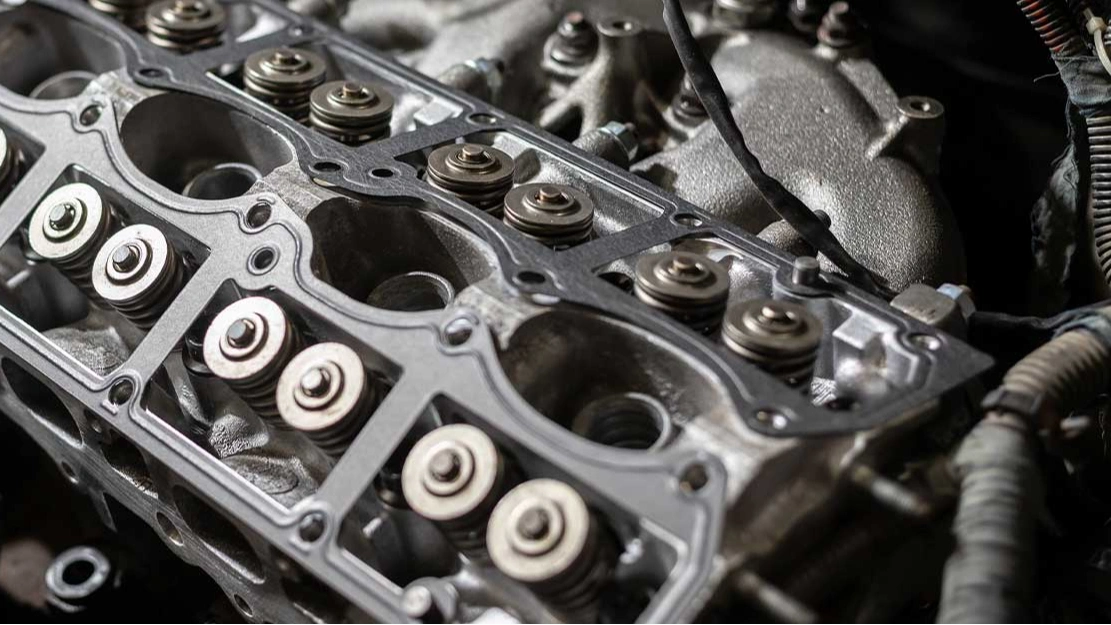
The cylinder head is one of the most critical components of an engine. It houses the valves, spark plugs, and passages for fuel and coolant, playing a key role in engine performance and durability. A failing cylinder head can lead to serious engine damage if not identified and addressed promptly. In this guide, we’ll explore the signs of a failing cylinder head, common causes, and maintenance tips.
Table of Contents
Common Signs of a Failing Cylinder Head
Recognizing a failing cylinder head early can save you from costly repairs. Here are the most common warning signs:
1. Engine Overheating
- A warped or cracked cylinder head can disrupt coolant flow, causing the engine to overheat.
- Frequent overheating, even after replacing the radiator or coolant, can indicate cylinder head issues.
2. White Smoke from the Exhaust
- White smoke may signal coolant leaking into the combustion chamber due to a cracked head or gasket failure.
- This is a serious sign that needs immediate inspection.
3. Loss of Engine Power
- A failing cylinder head may lead to reduced compression, causing sluggish acceleration and poor engine performance.
- Drivers may notice difficulty climbing hills or slow response.
4. Milky Oil or Oil Contamination
- Coolant mixing with oil creates a milky, frothy appearance.
- This can indicate a crack or gasket failure in the cylinder head.
5. Engine Misfires or Rough Idle
Cylinder head issues can cause uneven fuel combustion, leading to engine misfires, rough idling, or stalling.
Common Causes of Cylinder Head Failure
Understanding why cylinder heads fail helps prevent future damage:
- Overheating: Continuous engine overheating can warp or crack the cylinder head.
- Poor Maintenance: Neglecting regular oil changes and coolant maintenance increases wear.
- High Engine Stress: Performance tuning or heavy-duty use can accelerate cylinder head damage.
- Manufacturing Defects: Inferior materials or poor casting may lead to early failure.
Maintenance Tips to Prevent Cylinder Head Failure
Preventive maintenance is key to extending cylinder head life:
- Regular Coolant Checks: Ensure the cooling system is functioning properly.
- Frequent Oil Changes: Use high-quality oil and change it at recommended intervals.
- Monitor Engine Temperature: Avoid running the engine at high temperatures for extended periods.
- Use Quality Parts: Opt for OEM or high-performance cylinder heads.
- Timely Repairs: Address small leaks or cracks immediately to prevent escalation.
When to Replace Your Cylinder Head
Sometimes a cylinder head can be repaired, but in cases of severe cracking or warping, replacement is the safest option. Signs that a replacement may be necessary include:
- Persistent overheating despite maintenance
- Severe cracks visible during inspection
- Repeated misfires and power loss
- Milky or contaminated oil that cannot be fully resolved
For high-quality replacement or performance cylinder heads, consider checking our full cylinder head assembly products for reliable solutions.
Conclusion
Identifying a failing cylinder head early can save both time and money. Watch for overheating, white smoke, loss of power, milky oil, and misfires as key indicators. Combined with proper maintenance and quality parts, you can extend engine life and avoid costly repairs.
If you suspect a problem with your cylinder head, or want to choose a high-quality cylinder head, assembly, or performance upgrade for your engine, please visit Male cylinder head product for details, or contact our professional team for customized cylinder head solutions to keep your engine in top condition!